March 2, 2026
Replacing a roof is one of the most significant investments a homeowner can make, impacting both the comfort and long-term value of a home. While many people see it simply as a necessary repair, a roof replacement offers a chance to make meaningful improvements, from boosting energy efficiency to enhancing curb appeal and providing lasting protection against the elements. Every decision, from selecting materials to understanding the condition of your current roof, can influence the longevity, appearance, and performance of your home. Factors such as budgeting, contractor selection, timing, and environmental considerations all play a role in achieving the best possible outcome.
Taking a proactive approach allows homeowners to identify potential issues before they escalate, avoid costly surprises, and reduce stress during the project. Planning carefully helps confirm that your roof not only looks great but also functions efficiently for years, keeping your family safe and comfortable. With thoughtful preparation and a clear understanding of the options available, you can approach this major home improvement with confidence, knowing that your investment will increase your home's value and provide long-term peace of mind.
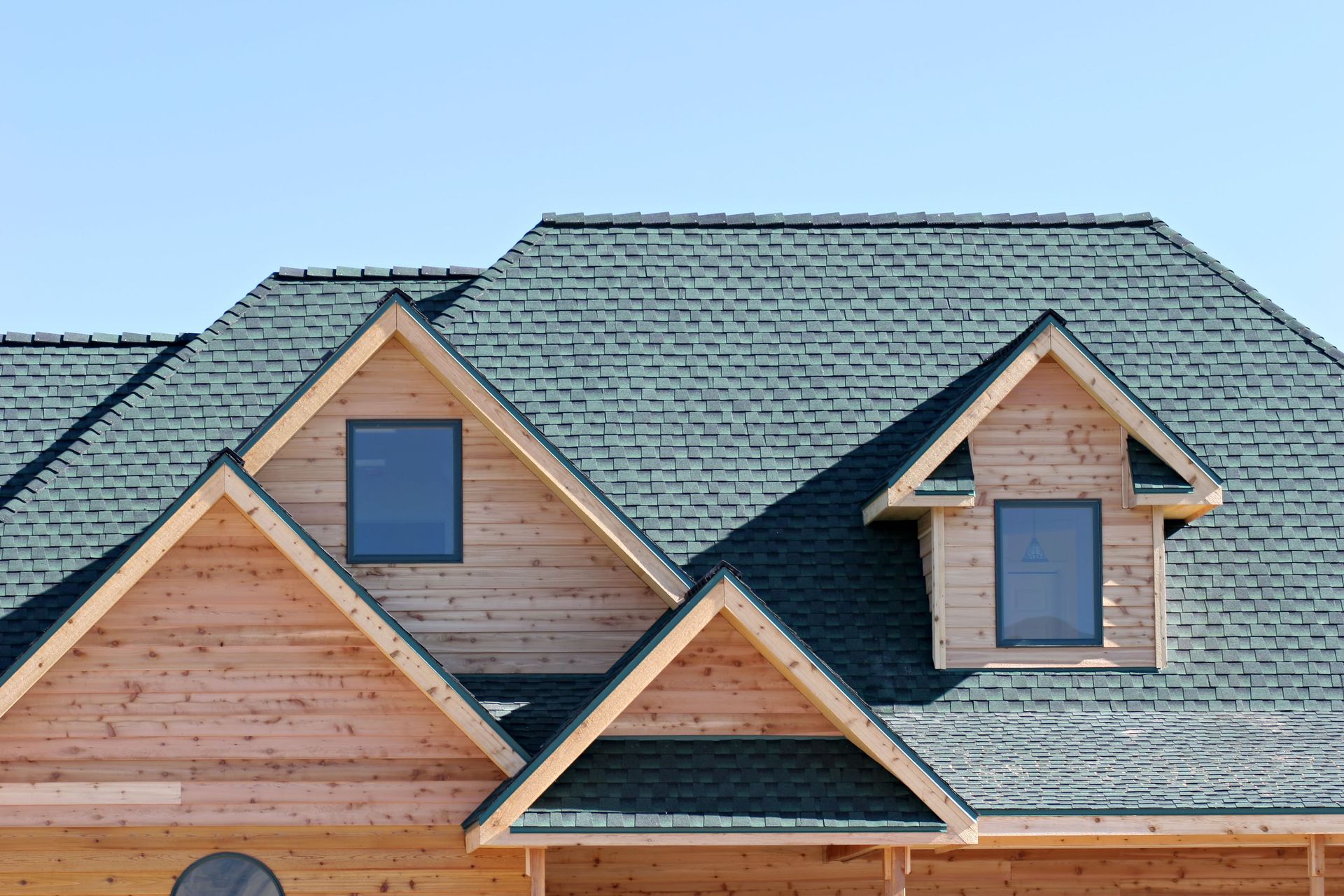
Beyond practical benefits, a well-executed roof replacement can transform the overall appearance of your home, creating a sense of pride and satisfaction in your property for years to come. To make informed decisions and achieve the best results, it's important to understand the key factors involved in selecting materials, assessing your current roof, budgeting, working with a residential roofing company, and planning for timing and environmental considerations, all of which will be discussed in detail below.
Understanding Roof Materials and Performance
When considering a roof replacement, understanding the characteristics and performance of different materials is essential. Asphalt shingles are widely used for their balance of affordability and durability, making them a popular choice for many homeowners. Metal roofing offers exceptional longevity and can withstand extreme weather conditions while providing low-maintenance performance. Tile roofing, whether clay or concrete, creates a distinctive look and offers long-term durability, though it requires additional structural support due to its weight.
Wood shakes deliver natural aesthetics and insulation benefits but demand regular upkeep to maintain their appearance and performance. Slate roofing is known for extraordinary longevity, adding timeless elegance to a home while requiring careful installation and structural support. Evaluating these options helps homeowners select a material that matches their budget, aesthetic preferences, and performance expectations when working with a residential roofing company.
Evaluating Roof Condition
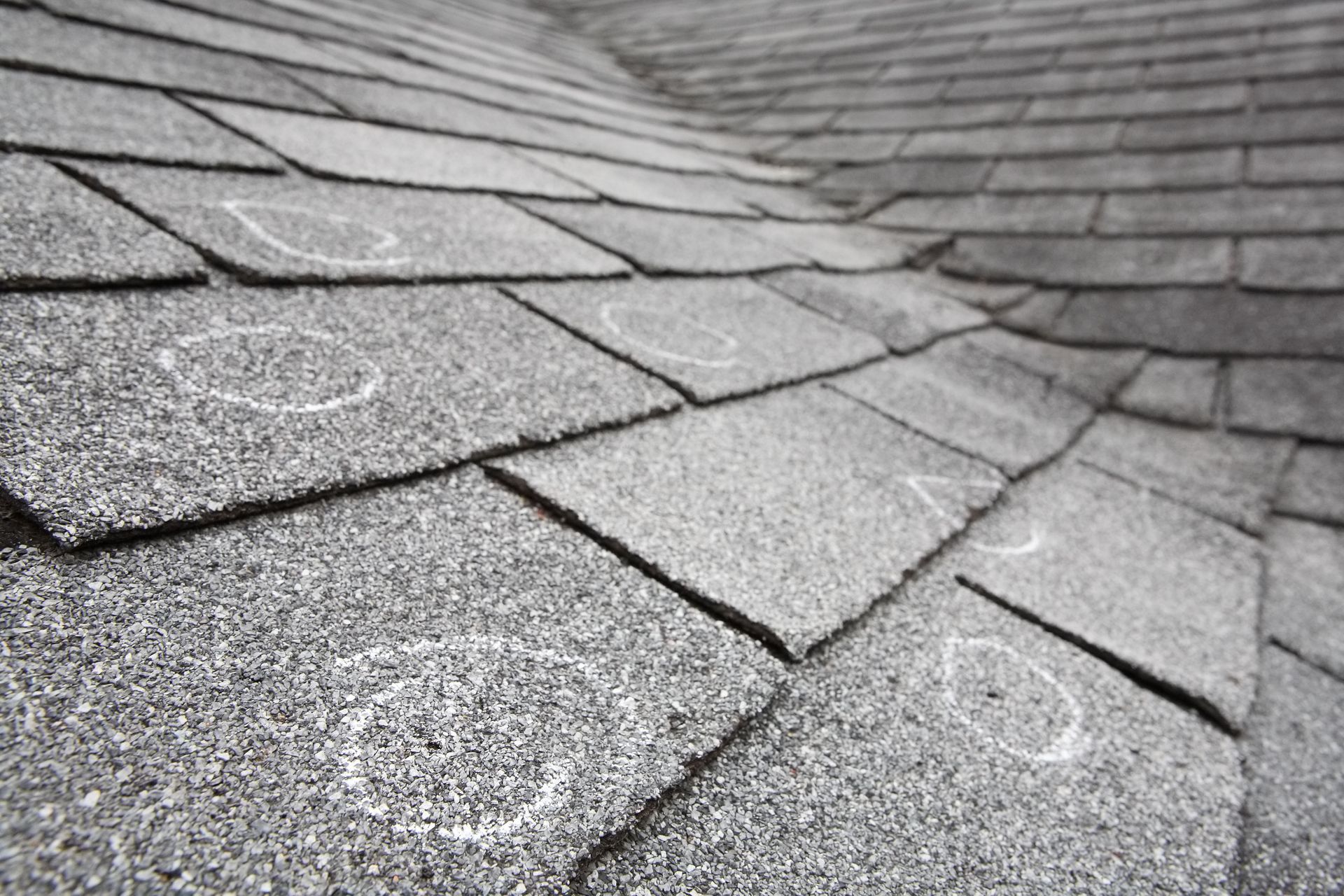
Assessing your current roof is a critical step before deciding on replacement. Check for visible signs of wear, such as broken or missing shingles, peeling, or damage to the edges. Water intrusion, often noticed as stains on ceilings or walls, indicates underlying issues that may require a full replacement. The age of your roof is another key factor, as materials have expected lifespans that can influence planning and budgeting. Environmental conditions around your home, including exposure to heavy rainfall, sun, wind, or seasonal changes, can accelerate wear and affect which materials will perform best.
Structural integrity must be considered as well, as the roof decking and support system need to be strong enough to handle new materials. Mold or mildew can also signal moisture issues that need addressing to protect both the roof and your home's indoor environment. Evaluating these elements gives a clear picture of whether a roof replacement is necessary and what considerations should guide material selection. According to This Old House, the average home, and its roof, is 2,647 square feet, which means even minor damage or wear can affect a significant portion of your property, making careful inspection essential for planning a replacement.
Budgeting for a Roof Replacement
Budgeting carefully for a roof replacement confirms the project can proceed without financial stress. Material costs vary widely depending on the type selected, and labor expenses reflect the complexity of the project and local market conditions. It's important to include potential additional costs for structural repairs or specialized installation requirements. Financing options, such as personal loans, home equity loans, lines of credit, or payment plans offered by contractors, can help manage the investment in a way that fits your budget.
Evaluating the balance between cost and long-term value allows homeowners to select a roof that will provide durability, energy efficiency, and curb appeal for years to come. Hidden costs, including permits, inspections, and possible weather delays, should also be considered to prevent surprises. Strategic planning, including exploring discounts or purchasing materials during off-peak periods, can help reduce overall expenses while achieving a high-quality outcome.
Finding the Right Residential Roofing Company
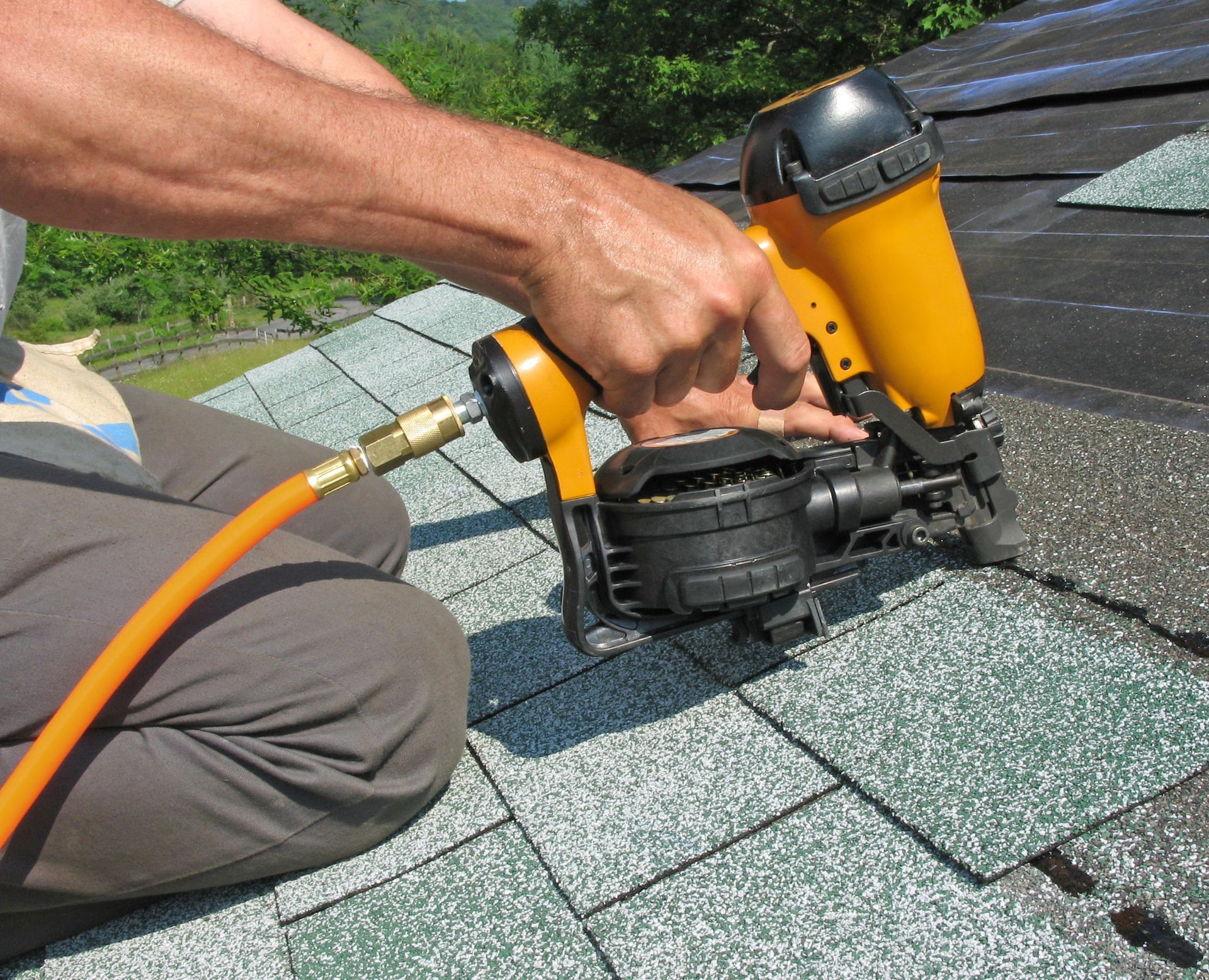
Choosing the right residential roofing company is one of the most important decisions for a successful project. Checking licenses, insurance, and certifications verifies that the contractor has the skills and coverage necessary to handle the work safely and responsibly. Reading reviews and speaking with references provides insight into the quality and reliability of a contractor's previous work, while portfolios show the scope and style of completed projects.
Obtaining multiple quotes allows homeowners to compare cost estimates and project details, and reviewing contracts carefully clarifies payment schedules, timelines, materials, and warranty coverage for both products and workmanship. Establishing clear communication before and during the project confirms questions are answered promptly and progress is well-documented. Post-completion follow-ups are also important for addressing minor issues or touch-ups. Taking time to select a qualified residential roofing company helps homeowners achieve a successful, long-lasting roof replacement.
Timing Your Roof Replacement
Timing can affect both the cost and ease of a roof replacement. Seasonal weather plays a role, with mild temperatures often providing ideal conditions for installation. Planning a project during periods of lower demand can reduce costs and scheduling delays, while maintaining flexibility allows homeowners to adapt to unforeseen changes such as rain, extreme heat, or supply delays. Coordinating a roof replacement with other home improvements, such as painting or window installation, can streamline the process and minimize disruption. Flexibility and thoughtful scheduling allow homeowners to manage the logistics of replacement more effectively, creating a smoother experience overall.
Environmental and Energy Considerations
Homeowners increasingly consider the environmental and energy impacts of a roof replacement. Choosing materials that reduce heat absorption, provide insulation, and contribute to energy efficiency lowers long-term utility costs. Responsible disposal or recycling of old roofing materials minimizes waste, while sustainable material choices reduce ecological impact. Considering how roofing materials interact with the local environment and following eco-conscious building practices can create a positive effect on the home's surroundings. By evaluating environmental factors and energy efficiency alongside aesthetics and durability, homeowners can select a roof that provides lasting value for both their property and the planet.
Investing in a roof replacement is a major home improvement project that requires careful thought, planning, and preparation. By understanding the characteristics of different roofing materials, evaluating the condition of your current roof, planning for costs, choosing a reliable
residential roofing company, considering timing and seasonal factors, and accounting for environmental and energy efficiency concerns, homeowners can make informed decisions that benefit both their property and daily life.
A well-chosen roof enhances home comfort, strengthens protection from the elements, and improves curb appeal, creating long-lasting value. Taking a structured approach reduces stress during the process and provides confidence in the outcome, making the investment worthwhile for years to come. By approaching a roof replacement with knowledge and foresight, you can achieve a durable, attractive, and functional roof that supports your home's long-term needs. Contact A1 Quality Roofing today to discuss options and start planning a roof replacement that will protect and enhance your home for decades.